
- News
- City News
- nagpur News
- The picture-perfect food image
Trending
This story is from September 14, 2014
The picture-perfect food image
What you see on the menu card nowadays are not downloaded images but pain-staking photos clicked by professionals after research and rehearsals


The hoardings were teasers for Zuree Urban Kitchen, a fine dine restaurant on Mount Road, that opened a few days later.
Zuree was one of the few city restaurants to have created a buzz about themselves by showing off inviting images of food items from their menu on hoardings. However, there are a handful of other such places that have taken to professional-level food photography to draw in patrons.
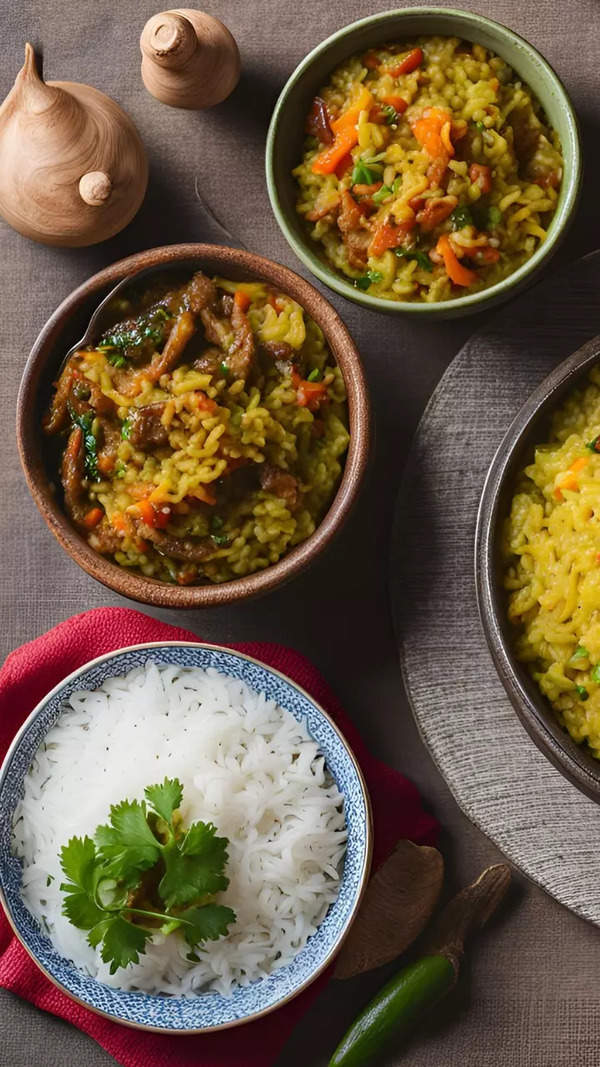
These aren’t just photos of a preparation plopped on to a plate and garnished with dhaniya, or, worse, generic stuff downloaded from the Internet, watermarks and all. These are images that have been painstakingly constructed after much fussing and fretting, preparation and planning by chefs, food stylists and speciality food photographers. Many restaurant owners flew in food photographers and stylists from outside Nagpur to capture perfection on a plate.
So, why has photographing food become such a, well, consuming obsession? “It’s deeply psychological. People see something beautiful, they instinctively wish to have it. It’s the same with food,” says Dhaval Kothari of Zuree. He said having a professionally-shot profile of the speciality items was essential for Zuree to make a mark.
Agrees Aditya Nanivadekar of Hibiscus and Copper. Nanivadekar got professional photo-shoots done for both the places. “Having a portfolio done lends genuineness to your brand. Otherwise, if I use a downloaded photo for advertisements and serve something else at my restaurant, my patron is going to feel cheated,” he said.
Both Kothari and Nanivadekar wanted to showcase the character of their respective restaurants through their dishes. “A photograph is a perception of a restaurant. Looking at the photographs, a person can tell what kind of restaurant a particular place is,” Nanivadekar says.
To grasp something as abstract as the restaurant owners’ vision and render it into something as tangible as a photograph is difficult. Therefore, the two roped in experts for the job, which are scarce in Nagpur. Zuree’s photographer was Gurgaon-based Saurabh Saxena, who specializes in food and product photography. For the Hibiscus shoot, Nanivadekar took help from a food stylist from South India, whose name he didn’t wish to reveal.
Saxena, a former marine engineer, travelled around the world where he says he got to taste different cuisines. However, he decided to shift careers and follow his passion for photography. But Saxena is not just a food photographer; he’s a foodie photographer. “If you don’t love food, you won’t do justice to food photography. If you love food, you will take extra efforts to portray a dish better,” he says.
So, what, to him, makes a good food photograph? “Food is such an important part of us. Its sight immediately triggers various emotions and associations within us. A good food photograph, therefore,” he says, “should also excite a person’s hunger. It should reach the level of tempting him or her.”
Indian food presents a different challenge. Because one type of – or very similar-looking – gravy is used in multiple dishes, “shooting, for instance, butter chicken and kadhai chicken and making them look distinct in difficult,” Saxena explains.
The physical act of clicking a food photograph takes between one-twentieth to one-hundredth of one fleeting second. However, the process leading up to this moment is equal parts laborious, exacting, messy and constantly demanding improvisations. It stretches several hours. On a good day, food photographers typically make no more than four or five use-worthy images.
Zuree’s head chef Akash Prasad says five or six dishes each from Zuree and its sister concern Bean Box Café were chosen for the photography shoot. “Not only were they colourful but also specialities of the two places,” he says. Structure and colour of the dishes were the other factors at play. Once the dishes were finalized, the chef and photographer sat together to discuss how each dish should be presented.
“We drew sketches and everything,” Prasad says. He then personally visited markets to pick up the freshest and best-looking ingredients that would be used in the dishes. Back at the restaurant, Prasad and his team of chefs prepared the dishes while Saxena simultaneously made preparations to set up the shot, adjusting the lighting and working the angles. Prasad says they also did trial shots using dummy elements first to avoid last-minute glitches.
With this amount of work, it’s no wonder that food in professionally-shot images looks perfect. “For a restaurant, food photography is like making the first impression,” says Prasad. “It has to be ‘Wow!’”
End of Article
FOLLOW US ON SOCIAL MEDIA



Hot Picks
TOP TRENDING
Trending Stories
In City
Entire Website
- GK for students: Top 8 Largest Mammals in the World
- Arvind Kejriwal Resignation Live Updates: 'Kejriwal will be back', says Atishi after staking claim; BJP questions CM-designate's 'background'
- India vs China Highlights, Asian Champions Trophy 2024 Final: Jugraj Singh stars as India beat China 1-0 to clinch record fifth title
- Kolkata Murder Supreme Court Hearing Live Updates: Court extends ex-RG Kar principal Ghosh, cop's custody by 3 days
- Maharashtra schools closed on Sep 18: Here’s why
- Communal tension hits Karnataka towns over Palestinian flags at rallies
- 'If any shame left ... ': AAP slams Swati Maliwal's remark on Atishi, says she should seek RS ticket from BJP
- Work on bridges gains pace to ease Ghodbunder jams
- NMDC Steel Plant Seeks 100 Officers of Vizag Steel Plant
- UGC NET Result 2024 Live Updates: NTA expected to announced final answer key, scorecards shortly
- Trump says Biden-Harris rhetoric causing assassination bids, Dems blame MAGA crowd
- 9 killed, over 2,700 hurt after 1000s of pagers explode across Lebanon
- India’s scientists want to play weather god. Is it a good idea?
- ‘Kheer brought back …’: PM gets emotional remembering mother on b'day
- Suresh Raina wants this top-order batter to be India's next T20I captain
- SC gives bail to main accused in Kerala actor's sex assault case
- Rs 15cr gold crown from the Ambanis: Meet Mumbai’s richest Ganeshas
- Intel CEO announces major restructuring, tells employees: 'We need to fight for …'
- Census process to resume 'very soon', confirms Amit Shah
- 'Glad he's safe': Vice President Harris reaches out to Trump after Florida shooting incident

Popular Categories
Hot on the Web
Top Trends
Dominique PelicotUS Fed Rate CutIndia vs China Champions TrophyUPI Transaction LimitWhere to Watch India vs China Final Hockey MatchUPS vs NPS CalculatorKolkata Commissioner Manoj VermaNEET UG Admission CriteriaAtishiKolkata Doctor Rape CaseArvind Kejriwal Resignation LiveAli Khamenei TweetSuryakumar YadavVince McMahonTech LayoffsDonald TrumpLive Cricket Score
Trending Topics
Munawar FaruquiLuxury BrandCancer CauseKhatron Ke Khiladi 14Chinas EggAtishi Marlena Singh QualificationSunita AhujaGoat CollectionSalman Khan FarmhousePitra Paksha 2024CheetahsKangana RanautAditi Rao HydariDalljiet KaurHoliday DestinationVikas SethiReliance Jio DownApple iPhone 16 ProVirat KohliWordle Answer
Living and entertainment
Latest News
Lava Blaze 3 5G with 50MP camera, MediaTek chipset launched in IndiaAdam Zampa acknowledges slim Ashes hopes as milestone 100th ODI nearsKitchen Tips: How to elevate home cooking to Michelin levelAnother Mpox suspected case in India: Man showing symptoms admitted to hospitalSelena Gomez recreates practiced applause she learnt from TV show Friends after losing at Emmys 2024Beyond Paychecks: Job satisfaction, work-life balance more important than salary for Gen Z workforce‘You is sleep or you can sleep’: Students prank Benglauru’s ‘pookie professor’ in viral videoHow ‘Oxford returnee’ Atishi became chief minister of Delhi"They haven't done a good job”- Wrestling veteran highlights a significant problem with The BloodlineNetflix on Luck director Soham Shah's claim that Squid Games is a copy of his movie: There is no …CM launches initiative to rid state of scrap & wastePolice detain Rajasthan govt school principal for passing lewd comments on girlCentre forms Ashvini, JV of nuclear and thermal power plantsWas Aamir Khan actually drunk during 'Tere Ishq Mein Naachenge' song in Raja Hindustani? Archana Puran Singh REVEALSNagarani Steel Plant wishes to induct 100 VSP officers on deputation in the first phaseMurray stuns Goa with stoppage time winner for JamshedpurGovernment removes windfall tax on crude petroleumAlia-Diljit's 'Chal Kudiye' is a power-packed track for every woman
Copyright © 2024 Bennett, Coleman & Co. Ltd. All rights reserved. For reprint rights: Times Syndication Service